Running a small business is hard enough. Then someone tells you to “do more marketing,” and you’re left wondering where the time and money will come from. Good news. You don’t need a giant budget to get noticed. At Amigos IT Systems, we work with shop owners, clinics, and local service companies every week, and the ideas that bring in real customers are usually the simple ones done well. Below are the small business marketing ideas we’ve seen work again and again this year. No fluff, just stuff you can start on Monday.
Get Found on Google First
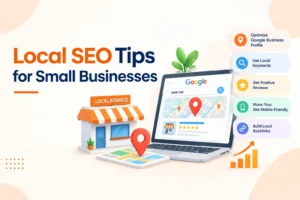
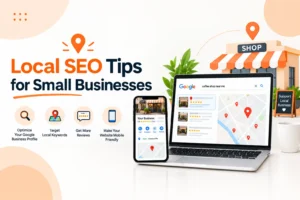
Most people don’t scroll past the first page. Honestly, most don’t scroll past the top five results. If your business isn’t showing up there, you’re handing customers to the shop down the street. Start with your Google Business Profile. Fill out every field, add real photos (not stock pictures of smiling models), and post an update once a week. Then look at your website. Does each page target one clear search phrase, like “bakery in Lahore” or “AC repair near me”? Proper SEO services can help here, but even basic fixes go a long way. One bakery client of ours added opening hours and 14 product photos to their profile. Calls went up by about 30% in six weeks. Small change. Big result.
Make Your Website Do the Selling
Your website is your hardest-working salesperson. It never sleeps. But a slow, messy site turns visitors away in seconds, and you’ll never even know they came. Check three things today: how fast it loads on a phone, whether your phone number is easy to tap, and whether a stranger can tell what you sell within five seconds. If the answer to any of those is “not really,” it’s time for a refresh. A clean, mobile-friendly site built by a solid website development team pays for itself faster than most people expect. And please, put a clear button on every page. “Call Now” or “Get a Quote.” Visitors shouldn’t have to hunt for the next step.
Show Up Where Your Customers Scroll
Social media isn’t about being everywhere. It’s about being where your buyers already hang out. A wedding photographer belongs on Instagram. A B2B accounting firm? LinkedIn, probably. Pick one or two platforms and post regularly, even if it’s just three times a week. Share behind-the-scenes clips, quick tips, and customer stories. People love seeing the face behind a business; it builds trust in a way polished ads rarely do. If you can’t keep up, a social media marketing partner can plan and run your content for you. I’ll be honest, the businesses that win here aren’t the ones with the fanciest videos. They’re the ones that simply don’t quit after week two.
Use Strong Visuals to Stand Out
People remember what they see. A blurry logo or a cluttered flyer makes your business look smaller than it is, even if your service is amazing. Consistent colors, a clean logo, and eye-catching social posts make you look professional and trustworthy. You don’t need to redesign everything at once. Start with your logo and one template for social posts. Then move on to business cards, menus, or brochures. Working with a skilled graphic designing team keeps everything looking like it belongs to the same brand. A furniture store we know swapped its old red-and-yellow banner for a calm navy design. Foot traffic didn’t double overnight, but people started saying the shop “looked more premium.” That perception matters.
Turn Happy Customers Into Reviews
Reviews are free marketing, and they work. Most buyers read at least a few before they trust a local business. The trick is simply asking. Right after a job goes well, send a short message with a direct link to your review page. Keep it friendly and personal, not robotic. Some owners print a small QR code on receipts or place a card on the counter. And reply to every review, good or bad. A calm, polite reply to a one-star complaint can actually win you more customers than ten five-star ratings, because it shows you care. Don’t buy fake reviews, though. Google catches them, and the penalty isn’t worth it.
Try Email Marketing (It’s Not Dead)
People keep saying email is old-fashioned. An email list is one of the few marketing channels you fully own, because no algorithm can take it away. Collect emails at checkout, through a simple website form, or with a small discount offer. Then send something useful once or twice a month: a seasonal offer, a quick tip, a new product. Keep it short. Nobody wants a 2,000-word newsletter from their dentist. Tools like Mailchimp or Brevo have free plans, so the cost to start is basically zero. Even a list of 200 local subscribers can bring steady repeat sales if you treat them well.
Partner With Other Local Businesses
This one gets overlooked a lot. Find businesses that serve the same customers but don’t compete with you. A gym and a healthy café. A wedding planner and a florist. Then cross-promote. Share each other’s posts, run a joint giveaway, or leave flyers at each other’s counters. It costs almost nothing and puts you in front of people who already trust your partner. Community events help too, like sponsoring a school sports day or a charity run. You’ll meet people face to face, and that’s still the strongest form of marketing there is.
Track What Works and Drop What Doesn’t
Here’s where many owners slip. They try ten things, don’t measure any of them, and then decide “marketing doesn’t work.” Set up Google Analytics on your site and check your Google Business Profile insights each month. Ask new customers, “How did you hear about us?” Write the answers down. After 90 days, you’ll see a pattern. Maybe Instagram brings likes but no sales, while Google brings in calls every day. Put more effort into what’s working. For more fresh ideas, this list of small business marketing ideas is worth a read.
Final Thoughts
You don’t need every idea on this list. Pick two or three, stick with them for a few months, and build from there. Consistency beats a big splash every time. If you’d like help with SEO, a new website, social media, or design, our team is happy to talk it through with you. Just contact us and tell us about your business. We’ll give you honest advice, even if that means telling you what not to spend money on.
Frequently Asked Questions
1. What is the cheapest way to market a small business?
Setting up a free Google Business Profile and asking customers for reviews is the cheapest and fastest way to start. Social media and email marketing also cost very little.
2. How much should a small business spend on marketing?
Many small businesses spend around 5% to 10% of their revenue on marketing. Start small, track results, and increase spending on what works.
3. Which social media platform is best for small businesses?
It depends on your customers. Facebook and Instagram work well for local shops and restaurants, while LinkedIn suits B2B services. Choose one or two and stay consistent.
4. How long does it take to see results from marketing?
Paid ads can bring results in days. SEO and social media usually take three to six months to show steady growth.
5. Do small businesses really need a website in 2026?
Yes. A website builds trust, shows up in Google searches, and works for you around the clock. Without one, you lose customers to competitors who have one.