Most small business owners hear “build backlinks” and picture cold emails to strangers who never reply. Local link building ideas offer a friendlier approach. You’re asking people who already know your neighborhood, your work, or your name to mention you online. A good digital marketing agency treats those links as proof you’re a real, trusted business in a real place, and search engines notice. Here are 15 practical ideas you can start this month, most of them cheap and a few free.
Why Local Links Matter
Links from other websites work like recommendations. When a respected local site points to yours, it tells search engines you’re legitimate and relevant to that area. That helps your organic rankings and your visibility in the map results. Local links also bring actual visitors, not just ranking signals. Quality beats quantity here. Five links from real local sites will usually do more than fifty from random directories.
1. Join Your Local Chamber of Commerce
Most chambers list members in a searchable directory, often with a link to your website. Membership costs money, so check what’s included first. Chambers also host events and publish newsletters, which can lead to more mentions. Fill out your profile completely and use your main website address. It’s one of the most dependable local links you can get.
2. Sponsor a Local Team or Event
Little league teams, charity runs, and school fundraisers usually thank sponsors on their websites. Ask in advance whether the sponsor page will include a link. Some sites mark sponsored links as such, which is fine, since you’re also buying local goodwill. Pick events your customers actually attend. A plumber sponsoring a youth soccer team gets seen by parents who own homes.
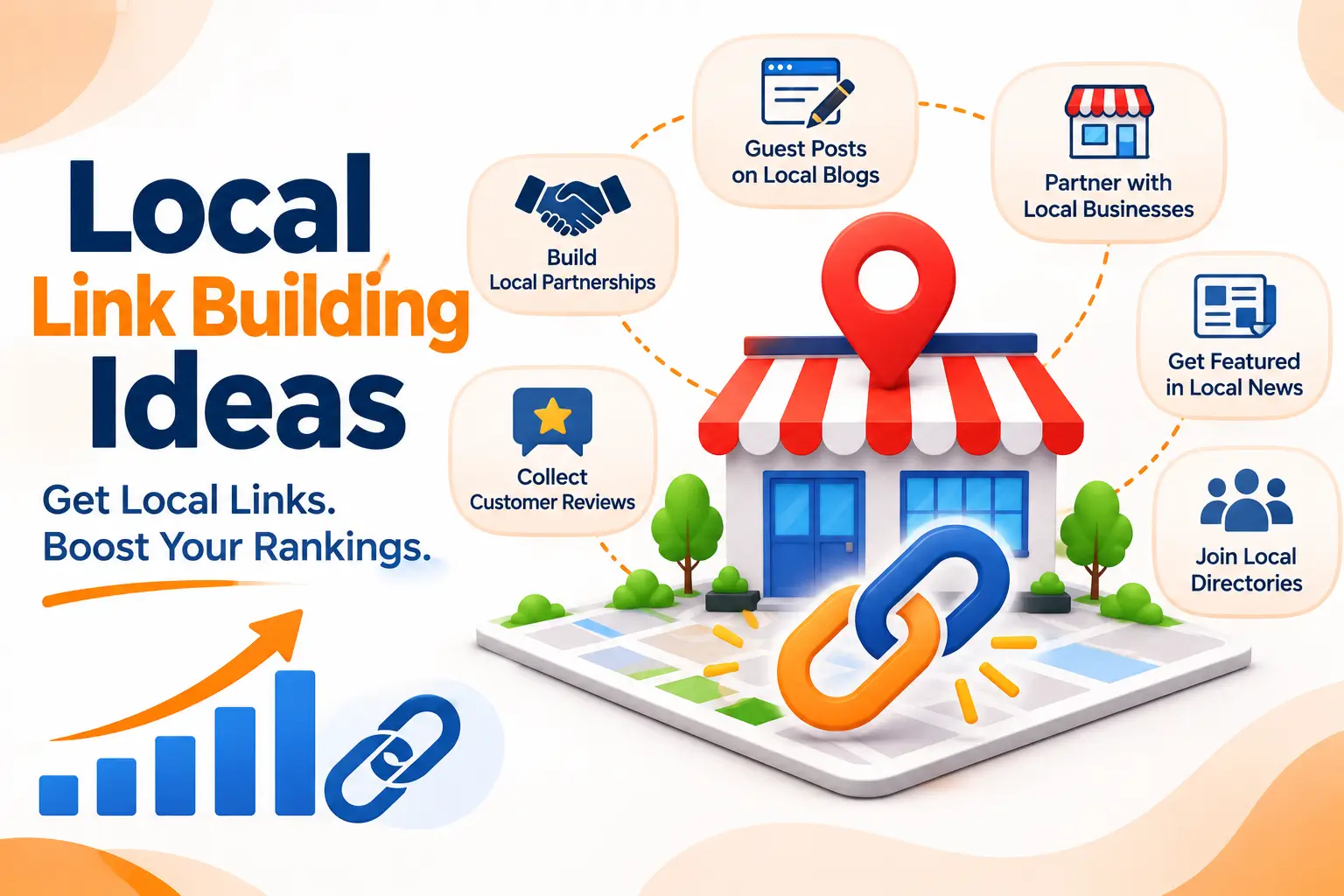
3. Partner With Complementary Businesses
A wedding photographer and a florist don’t compete, but they share customers. Recommend each other, then ask for a spot on a “preferred vendors” page. Realtors, mortgage brokers, and home inspectors do this constantly. Make the partnership real by referring clients and attending each other’s events. Swapping links with anyone and everyone doesn’t hold up.
4. Get Listed in Local Business Associations
Look for trade groups, merchant associations, and business improvement districts nearby. A downtown merchants’ group might list every shop on its site, and a contractors’ association might run a find-a-pro directory. These links are relevant by industry, location, or both. Check for application processes and fees, and skip anything that looks like a link farm.
5. Pitch Local Reporters With Real News
Local journalists need stories, and small businesses have plenty. A second location, a dozen new hires, or a charity drive can all be newsworthy. Send a short, factual pitch with one clear hook and a photo. You won’t get a link every time, though many outlets include your website. Even without one, the mention builds reputation.
6. Work With Local Bloggers and Creators
Neighborhood bloggers, food writers, and community Instagram accounts often have loyal followings. Invite them to try your service, and be upfront that you’re not scripting their opinion. Honest coverage persuades better anyway. Ask whether they’d link to your site, and make it easy with accurate details and good photos. One post from a trusted local voice can beat a month of ads.
7. Offer a Local Scholarship
A small scholarship for local students can earn links from schools and college aid pages. It has to be genuine, with clear criteria, a fair selection process, and a real award. Put the details on a page on your site, then contact counselors and nearby colleges. Think about the cost and the admin time first. The links come as a side effect of doing something good.
8. Support Nonprofits and Volunteer
Charities often thank donors, sponsors, and volunteer groups on their websites. Donate products, discount your services, or organize a team volunteer day, then ask how they’d like to recognize your help. Choose causes that match your values, since people can tell when a business is just chasing links. Share the story on your own channels too.
9. Build a Local Resource Guide
Create a page locals will actually want to reference. A restaurant might write “Best Brunch Spots in Astoria,” and an agent could build a neighborhood guide covering schools, parks, and commutes. Original details and updated information help it stand out. Then tell local sites and newsletters it exists. For topic inspiration, try these SEO content ideas.
10. Publish Local Data or a Mini Survey
Numbers get cited. Survey customers or neighbors about something relevant, like what people spend on home repairs, and share the results with simple charts. Reporters, bloggers, and community pages often reference fresh local data. Be honest about the sample and explain how you collected it. A small, clearly explained survey still gives people a reason to link.
11. Write Guest Posts for Local Websites
Community blogs and local news sites sometimes accept contributions. Offer a helpful, non-salesy article from your expertise, like seasonal maintenance tips from an HVAC company. Most sites allow an author bio with a link. Read their guidelines and pitch a specific idea. Skip sites that publish anything for anyone, since real editors and real readers are the point.
12. Host or Speak at Local Events
Workshops, open houses, and library talks create mentions. Event pages and community calendars frequently link to the host or speaker. A bakery could run a cake-decorating class, and an accountant could lead a tax-season Q&A. Post details on your own site first, then submit them to local calendars. Events also give you photos and relationships for future opportunities.
13. Give Testimonials to Your Vendors
Suppliers and software providers love publishing customer feedback, and many link to your site. If you genuinely like a vendor, send a short, specific testimonial about the problem they solved. It’s quick and helps them too. Not every company will link, and you shouldn’t write praise you don’t mean.
14. List Your Business in Quality Directories
Skip bulk submissions to hundreds of obscure sites. Focus on respected platforms, local city guides, and industry-specific directories, and keep your name, address, and phone number consistent everywhere. These won’t transform rankings alone, but they support your local profile. Our local SEO tips for small businesses cover the basics.
15. Reclaim Unlinked Mentions
Sometimes people already mention you without linking. Search your business name in quotes and look for articles or event pages with no link back. Send a friendly note thanking them and asking whether they’d add one. Most people say yes if you make it easy. It’s one of the fastest wins here, because the hard part, getting noticed, is already done.
Make Your Site Worth Linking To
Links only help if the destination is worth visiting. A slow, outdated, or confusing site wastes the attention you’ve earned. Make sure pages load fast, work on phones, and make it obvious how to call or book. Solid website development supports everything above, and social media marketing helps more people discover and share your press and community wins.
Final Thoughts
Local link building is slow, human work, and that’s exactly why it’s valuable. Pick three or four ideas that fit your business, do them consistently, and track which ones bring visits and calls. Combine them with broader SEO services for stronger results. If you’d like help choosing the right tactics for your market, contact AmigosIT for a free consultation and get a clear plan you can start right away.
Frequently Asked Questions
What is local link building?
It’s earning links to your website from other businesses, organizations, and publications in your area. These links show search engines you’re a real, trusted local business.
Are local links more valuable than general backlinks?
For local searches, often yes. A link from a respected local site is more relevant to your market than a random link from far away, and it can also send real visitors.
How many local links does a small business need?
There’s no magic number. A handful of quality links from real local sites usually beats dozens from low-quality directories, so focus on relevance and trust.
How long does local link building take to work?
Expect gradual results over a few months. Some links, like chamber listings, are quick to get, while press and partnerships take more time to build.
Is it okay to pay for local links?
Paying for sponsorships or memberships is fine, since you’re supporting a real organization. Buying links purely to boost rankings can violate Google’s guidelines and risk your site.