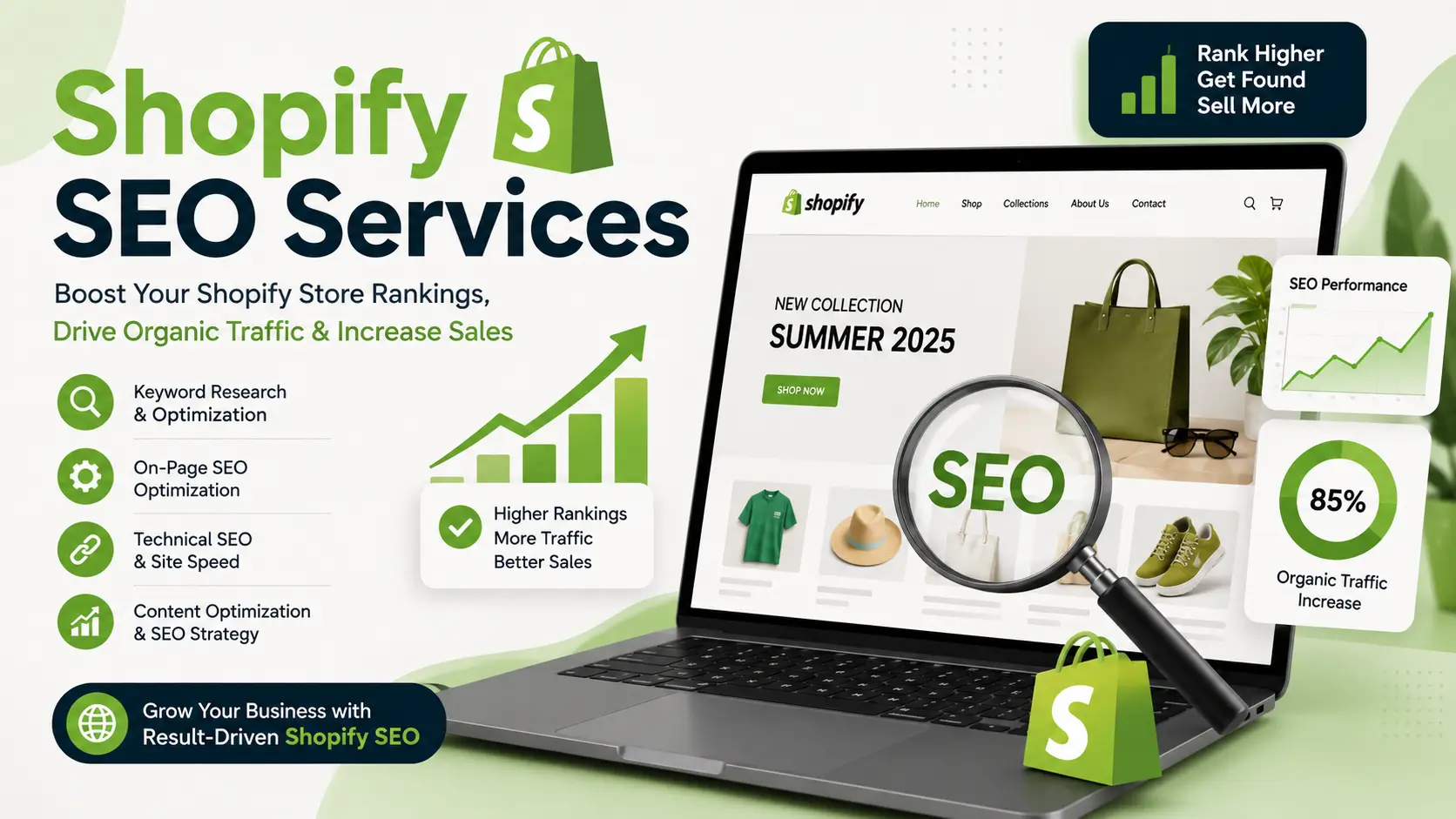
A Shopify store can look polished and still sell nothing, because looking good and being findable are two separate problems. Amigosit Shopify SEO services address the second one, fixing the structural and content issues that keep your product pages buried past page two of Google. Shopify gives you a solid starting foundation, but the platform’s defaults were never built to compete against thousands of similar stores fighting for the same shopper.
You’ve likely noticed how crowded ecommerce search results have become. Whether you sell candles or car parts, dozens of other stores are chasing the same buyer, often with nearly identical product descriptions pulled straight from the manufacturer. Standing out takes more than uploading inventory and hoping.
It helps to know Shopify SEO isn’t a one-time setup. It’s an ongoing process of fixing what the platform does poorly by default, then building on what it does well.
Seasonal shopping windows raise the stakes even further. A store that ranks well in October but slips in November, right as holiday traffic peaks, loses far more revenue than the ranking drop alone would suggest. Timing your fixes around your busiest sales windows matters as much as the fixes themselves.
Multi-currency and international stores add another layer of complexity. Shoppers in different countries often search in slightly different phrasing, and a store treating every market the same way tends to underperform in all of them at once rather than excelling in any single one.
What About Shopify Plus Stores?
Larger stores on Shopify Plus face different challenges than a small shop just getting started. Complex product catalogs, multiple storefronts, and heavier customization all raise the risk of duplicate content and crawl budget waste, since Google has to work harder to crawl every variation of every product.
Faceted navigation, the filters shoppers use to narrow results by size, color, or price, can also generate thousands of near-identical URLs if left unmanaged. Left unchecked, that alone can quietly dilute a large catalog’s ranking potential across the board.
Do You Need a Theme Change to Fix SEO Issues?
Not usually. Most Shopify SEO problems live in content, structure, and app configuration rather than the theme itself. Switching themes without fixing the underlying issues just moves the same problems onto a new design, and it risks breaking existing rankings if URLs shift during the process.
A better approach starts with auditing what you already have. Fix duplicate content, tighten up page speed, and rework product descriptions before spending money on a theme overhaul that may not solve what’s actually holding you back.
When a Theme Change Does Make Sense
If your current theme can’t support clean URL structures, lacks mobile responsiveness, or forces you into a slow checkout flow, a change becomes worth considering. Just treat it as a last resort, not a first move.
Where Shopify Stores Typically Lose Rankings
A few recurring issues show up across almost every Shopify store we’ve reviewed:
- Duplicate product descriptions copied directly from suppliers, which offer Google nothing unique
- Thin collection pages with no supporting text, just a grid of products
- Apps stacked on top of apps, slowing load times to a crawl
- Missing or generic alt text on product images
- URL structures that Shopify auto-generates without much thought for keywords
How Do You Fix Product Page SEO?
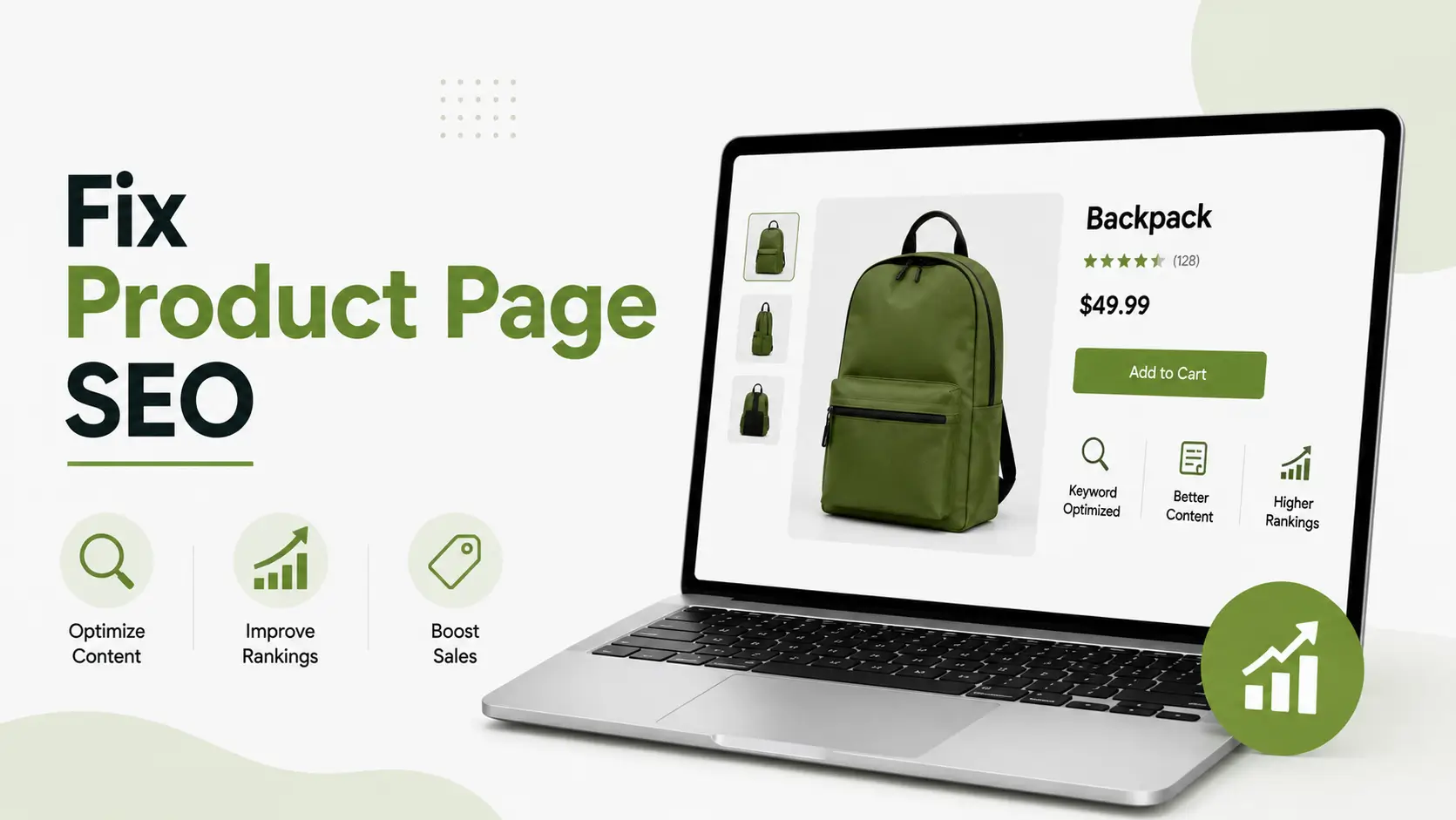
Rewrite Descriptions Around Buyer Intent
Instead of listing specs the way the manufacturer does, describe the product the way a shopper searches for it. A phrase like “waterproof hiking boots for wide feet” tells you exactly what someone typed into Google before landing on that page.
Strengthen Collection Pages With Real Content
Adding two or three short paragraphs above the product grid gives Google actual text to index and gives shoppers context they didn’t have before. It doesn’t need to be long. It needs to be specific.
How Should You Handle SEO During a Product Launch?
New product pages start with zero ranking history, which means they need a push rather than a passive wait-and-see approach. Linking to the new page from your homepage, relevant collection pages, and any related blog content gives Google faster signals about where the page fits.
A skincare brand launching a new serum saw almost no organic traffic for the first three weeks, simply because the product page sat isolated with no internal links pointing to it. Adding links from two related blog posts and the matching collection page got it ranking within the following month.
What Role Do Reviews Play in Shopify SEO Services?
Product reviews do more than build trust with shoppers. They also add fresh, unique text to a page that would otherwise repeat the same manufacturer description as every competitor selling the identical item. That fresh content gives search engines more to index and often improves how a page ranks over time.
Enabling a review app alone isn’t enough, though. You still need a system for actually asking customers to leave one, whether through a follow-up email or a simple prompt at checkout, since most shoppers won’t leave a review unprompted.
How Does App Bloat Affect SEO Specifically?
Every app adds JavaScript that has to load before your page becomes usable, and Shopify stores tend to accumulate apps faster than owners realize. A store might add a countdown timer app for one campaign, then never remove it, along with three other tools nobody actively uses anymore.
- Audit installed apps quarterly and remove anything not actively driving results
- Check each app’s individual impact on load time before keeping it long-term
- Combine similar functions into a single app instead of running several overlapping ones
Speed Is Non-Negotiable for Shopify Stores
Shoppers abandon slow pages faster than almost any other type of visitor, because they’re already primed to click away and compare a competitor’s price. Bloated apps, oversized images, and unnecessary scripts are the usual culprits. A skincare brand we audited had eleven apps running on their storefront, and three of them weren’t even active anymore. Removing the dead weight cut their load time by more than half.
Still, speed fixes alone won’t rank a store with no content strategy behind it. Both pieces need attention.
Building a Content Layer Around Your Store
A blog might seem unnecessary for an ecommerce site, but it’s often the fastest way to capture shoppers earlier in their research, before they’ve picked a specific product. A pet supply store started publishing buying guides around common search questions, and within five months, organic traffic from those guides was outperforming several of their product pages combined.
Getting the Foundation Right
Data compiled by Shopify’s own commerce research team shows that stores investing in organic search consistently reduce their dependence on paid ads over time, which matters when ad costs keep climbing every quarter.
Getting there usually takes a mix of the fixes covered above, applied consistently rather than all at once. A store that tackles duplicate content this month, speed next month, and content depth the month after tends to see steadier, more sustainable growth than one chasing every fix simultaneously.
Want your store showing up before your competitors do? Amigos IT Systems has worked through this exact problem with stores in a dozen different categories. Contact us, and we’ll map out what’s holding your Shopify SEO back.